
Yank Sing menu, graded
When you choose by sight, not from a list, the cart does the selling and the bill writes itself.
No prices on the cart, just steam and a pointing finger. This is how visual selection and plate-size pricing lift a check.
Menu-craft grade
The pushcart turns the menu into a moving display where every choice is made by sight and by plate size, not by reading a price.
Graded on how well the menu uses behavioral economics, not the food.
Menu and prices verified September 2026
A 3-minute audio read of the analysis
- Type
- Independent
- Where
- San Francisco, Rincon Center
- Cuisine
- Cantonese Dim Sum
- Footprint
- 2 locations
- Since
- 1958
- Ownership
- Chan family, third generation (Vera Chan-Waller)
The mechanics, drawn
The same menu, mapped onto an axis, so the behavioral move is something you can see, not just read.
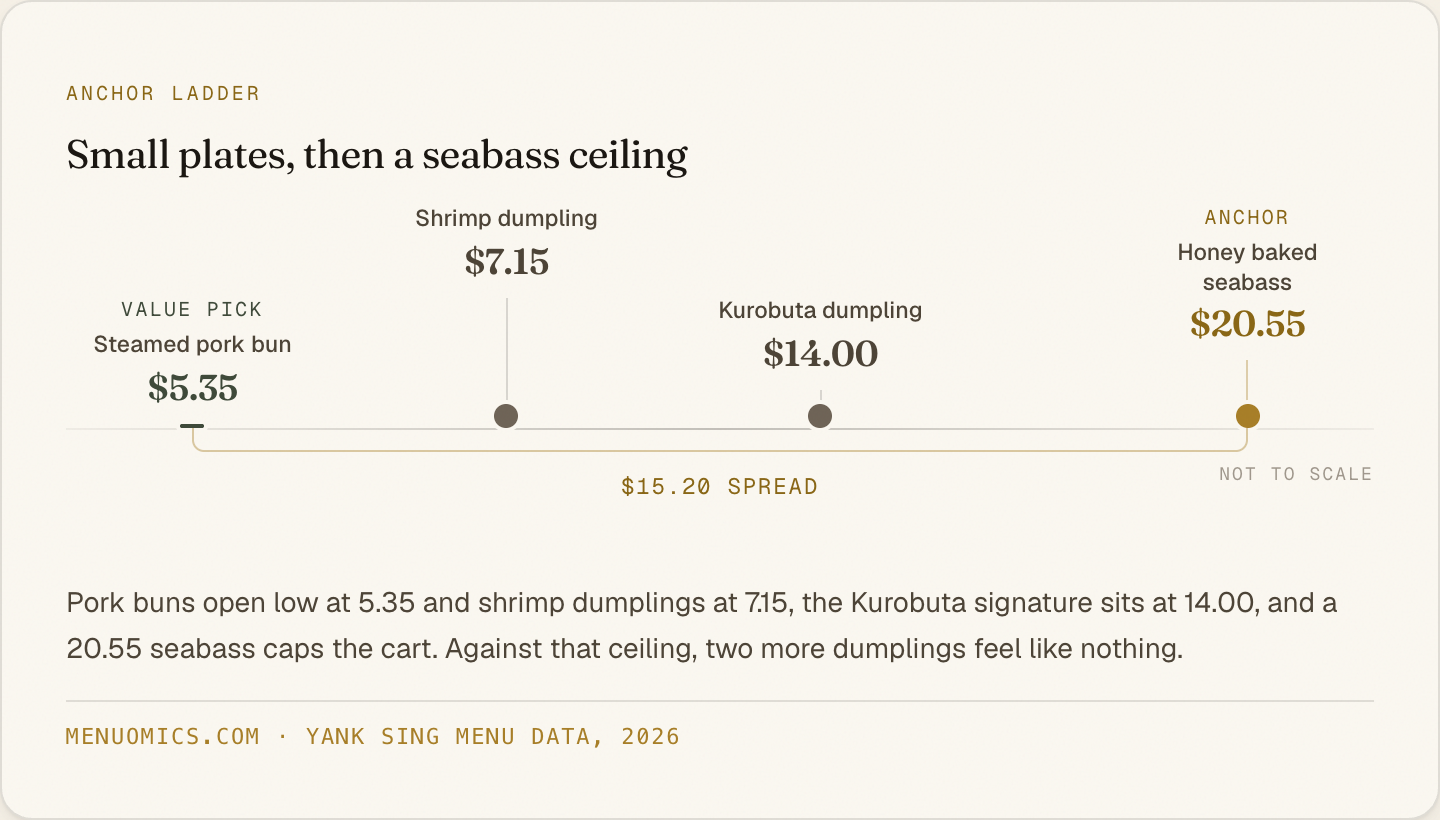
Small plates, then a seabass ceiling
Pork buns open low at 5.35 and shrimp dumplings at 7.15, the Kurobuta signature sits at 14.00, and a 20.55 seabass caps the cart. Against that ceiling, two more dumplings feel like nothing.
Download this chart (PNG) · free to reuse with credit, see reuse terms.
The setup
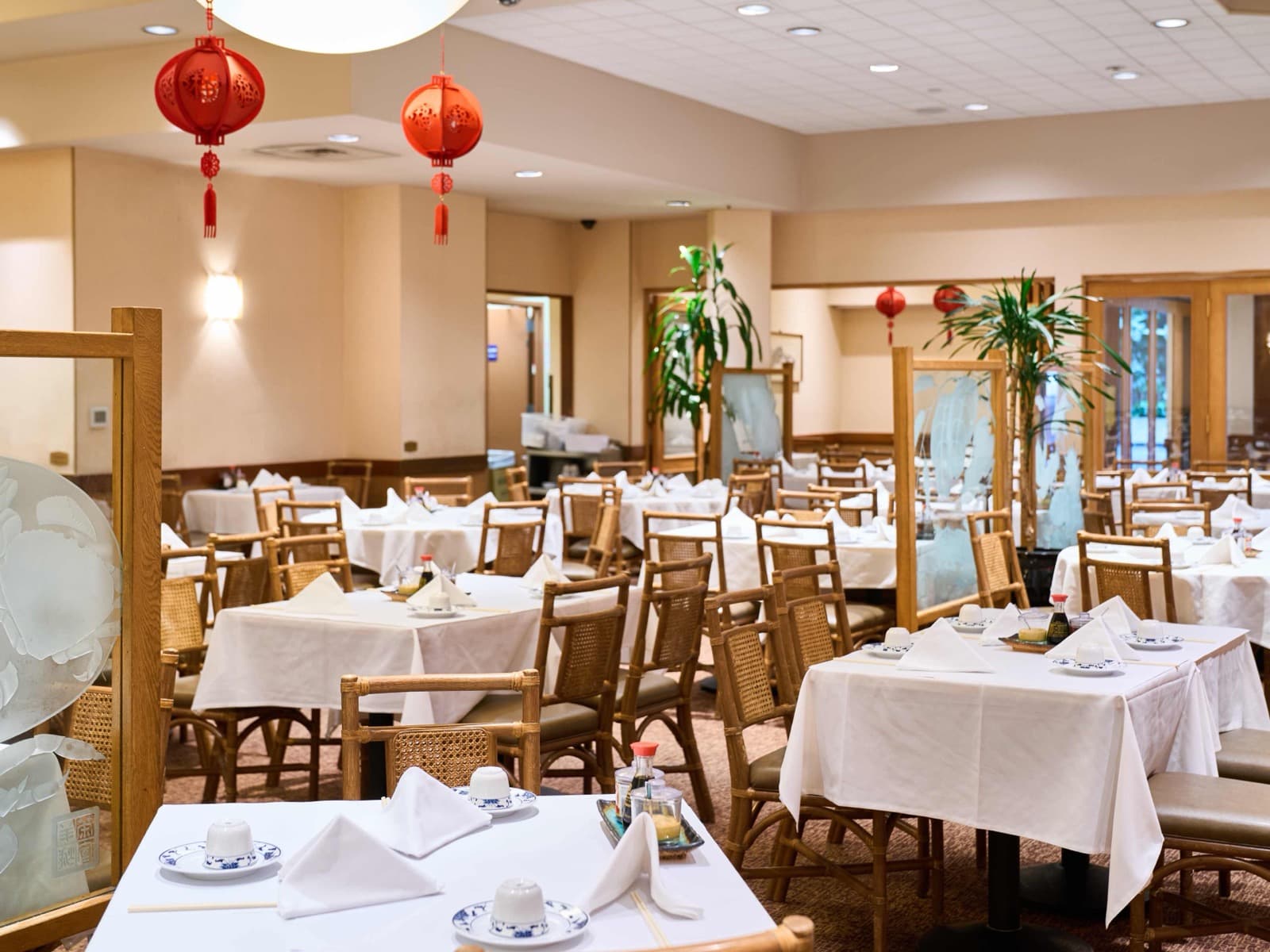
Yank Sing has run since 1958 and is now third-generation family-owned by the Chan family, named an America's Classic by the James Beard Foundation in 2009. It calls itself a contemporary take on traditional dim sum and serves, in its own words, over 100 rotating varieties from traditional pushcarts in a contemporary dining room, shared family-style.
The behavioral setup is that ordering happens off a moving cart, not a printed list. You decide by looking at the food, not by scanning a column of prices, and you are billed by plate size, small, medium, or large. Sight does the selling, sharing keeps the table adding dishes, and the total is only revealed at the end.
What they get right
The behavioral economics already at work.
Choosing by sight, not by price
On the cart there is no price at the moment of choice. You decide by looking at the dish, so the decision is driven by appetite and appearance, not by a number. The cost is reconciled only at the end on a stamped card.
Yank Sing official site (over 100 rotating varieties served from traditional pushcarts)
Pricing by plate size, not by item
Bills are computed by plate size, small, medium, or large. Splitting the total into many small per-plate charges makes each yes feel minor, and the running sum stays out of view until the check.
Morwitz, Greenleaf and Johnson, 1998 (partitioned pricing)
Family-style sharing raises the count
Dishes are explicitly shared family-style, so the order is a table decision, not an individual one. The effect is more plates per head than solo ordering, since one person's want becomes the table's plate.
Yank Sing official site (shared family-style)
A rotating set creates see-it-now pressure
With over 100 varieties rotating through the carts, a given dish is here now and may not pass again. The effect is to convert hesitation into a yes while the cart is at the table.
100+ rotating varieties, Yank Sing official site
A high seafood anchor reframes the dumplings
A $20.55 Honey Baked Seabass sits among $5 to $7 dumplings. Next to that ceiling, the cart of dumplings reads as the cheap, easy add, which the effect of anchoring predicts.
Scheibehenne et al., 2010 (choice-overload meta-analysis)
What we’d test
The rewrite, with the expected lift and the honest caveat.
Add a price card on the cart edge
Place a small per-plate price tag on the cart itself, visible when you point. Test whether seeing the number at the moment of choice changes the mix and count of plates taken versus the current no-price cart.
Expect Fewer impulse plates per table, with selection shifting toward lower-cost items, since price re-enters the decision.
Caveat This touches pricing presentation and point-of-choice information only, not the food, the cart service, or how dishes are cooked.
Name and group the rotating specials on the photo menu
On the QR photo menu, give the rotating items a labeled Today's Carts section with descriptive names rather than listing them flat. Test whether a named, sectioned specials layer increases selection of those rotating dishes.
Expect Higher pickup of the rotating items, consistent with descriptive labeling and clear sectioning lifting chosen items.
Caveat This touches menu naming, sectioning, and layout only, not which dishes are made or how often carts circulate.
Anchor the photo menu high to low
On the QR photo menu, lead with the $20.55 seabass as the named high anchor and list the dumplings beneath it, so the page sets a high reference before the $5 to $7 plates. The lever here is the menu's own layout, not how the carts are routed through the room.
Expect The dumplings read as the easy, modest add against a high on-page anchor.
Caveat A layout and ordering change to the photo menu only, not the cart service or its timing.
What diners actually say
Synthesized from public reviews, the reality check that grounds every recommendation.
They praise
- Shanghai Kurobuta soup dumplings called one of the better versions in the Bay Area
- Fresh, hot, and tender dough, often thinner than usual
- Clean, contemporary dining room with attentive, English-speaking servers
- The cart experience itself is fun: you see the food before you choose
They criticize
- Prices run 2 to 3 times higher than Chinatown dim sum
- Easy to hit $50+ per person without realizing it, sticker shock at the bill
- Portions can feel small for the price on some plates
The verdict
Yank Sing is menu-craft hiding in plain sight: by moving the choice onto a cart, removing the price from the point of decision, billing by plate size, and serving family-style, it lets appetite and appearance, not arithmetic, drive the order. The design upside is a check that climbs naturally without any pressure, because the total only resolves at the end. The honest catch is that the same opacity is exactly what reviewers flag as sticker shock.
Common questions
- Why is Yank Sing so expensive?
- Reviewers commonly report $40 to $60 or more per person at Yank Sing, partly because you choose from a rolling cart by sight with no price at the point of choice and are billed by plate size. Splitting the bill into many small per-plate charges makes each "yes" feel minor, and the running total stays out of view until the check arrives.
- How does ordering work at Yank Sing?
- You select dishes off moving pushcarts by looking at the food rather than reading a list, and you are charged by plate size, small, medium, or large, then totaled on a stamped card at the end. Sight does the selling and family-style sharing keeps the table adding plates, so the cost is only reconciled when you finish.
- What is the signature dish at Yank Sing?
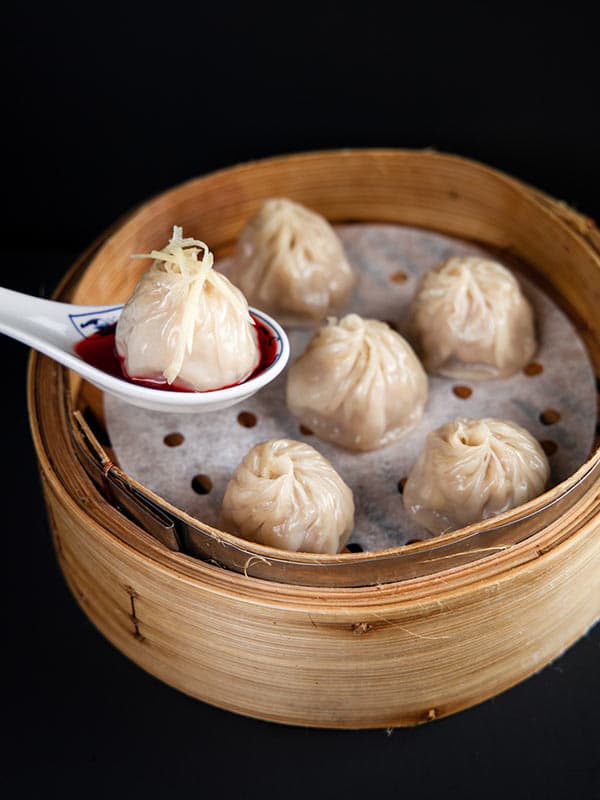
- The Shanghai Kurobuta Pork Soup Dumplings at $14.00 for six pieces are the signature, the dish the carts are built to show off with visible steam. Most plates run far cheaper, with steamed pork buns around $5.35 and shrimp dumplings around $7.15.
- What is the most expensive item at Yank Sing?
- The Honey Baked Seabass at $20.55 is the high anchor on the cart, sitting among $5 to $7 dumplings. Against that ceiling, two more $6 dumplings feel like nothing, which is how the cart quietly lifts the count of plates per table.
Head to head
More breakdowns
 Restaurant Gary DankoA
Tiered courses, round whole-dollar prices, a caviar anchor, build-your-own freedom and a tableside cheese cart. Danko is already doing what we'd recommend.
Read the Restaurant Gary Danko breakdown →A 1984 steakhouse at 2100 Van Ness Avenue that dry-ages its beef behind a streetside glass window, so the single best argument for the price is visible before you even sit down.
Read the Harris' Restaurant breakdown → Saint Frank CoffeeB+
An SF specialty roaster that prices a latte at a fine-coffee premium and justifies it with a story: named farms, tasting notes, and a 'relationship coffee' ethos that turns a cup into a cause.
Read the Saint Frank Coffee breakdown →A Michelin-starred Fillmore room where small plates roam by on dim-sum carts at $3 to $14 each, so you say yes one plate at a time and the check climbs on its own.
Read the State Bird Provisions breakdown → Zuni CafeA-
A 75.00 chicken that takes about 75 minutes, and the menu says so. A practical warning that also happens to reduce uncertainty, printed in the margin.
Read the Zuni Cafe breakdown → Pearl 6101B+
A neighborhood Outer Richmond Cal-Mediterranean restaurant from the Pizzetta 211 team, whose menu prints prices as bare round numbers with no dollar signs and no cents.
Read the Pearl 6101 breakdown →Your menu next
Get this for your own menu, free.
Send your menu and we’ll send back the same breakdown, what you get right, what we’d test, and why.
Nopa
A 2006 Divisadero gathering place whose daily wood-fired menu prints prices as plain numbers, no dollar signs, no cents, anchored by a 49 brisket.
Read it →