Change the menu,
not the kitchen.
Menuomics reads your menu, your reviews and your reputation, then rewrites the wording, re-prices the items and re-orders the page using the behavioral economics a $10,000 consultant would. Same dishes. Better decisions. More margin.
Before
After
- Named for the senses · +27% pick rate
- Dollar sign dropped · +8% per check
- Price de-emphasized, not bolded



























The gap
Every menu tool tells you what sells. None of them tell you what to change.
Toast, Avero, MarginEdge, they all compute the same stars-and-dogs matrix: which items are popular, which are profitable. Useful. But then they stop, exactly where the work begins.
The part that actually moves money, the wording, the pricing presentation, the order of the page, the choice architecture, has lived for decades inside human consultants who charge $1,000 a menu panel and take a week per restaurant.
Menuomics productizes that craft. It doesn’t just tell you which items are stars. It rewrites, re-prices and re-lays-out the menu, and shows its work, with the research behind every move.
How it works
A consultant’s judgment, with the receipts attached.
We read everything
Your menu, your prices, your photos, hundreds of reviews, and whether you’re a 900-store chain or a corner room. Context is the input, not just the item list.
We apply the evidence
Thirty-plus behavioral principles, each weighted by how well it actually replicates. We grade our own advice: proven, promising, or folklore.
You get the rewrite
Specific wording, prices and order, with the expected effect and the honest caveat for every change. The consultant’s deliverable, in minutes.
The playbook
The levers, and the evidence behind each one.
We only recommend what the research actually supports, and we tell you when the effect is small, single-study, or “it depends.”
Read the full playbook, from Rory Sutherland to the hospitality greats →Drop the dollar sign
+8% per checkPrices in plain numerals beat the “$X.99” format. The currency symbol triggers the pain of paying.
Cornell field study, 2009
Describe for the senses
+27% selection“Little Gem & shaved fennel” outsells “house salad.” Sensory, specific names raise perceived quality.
Wansink, 2001, lifts the pick, not the price
Anchor high
the reference effectOne deliberately premium item resets the reference price for everything listed beneath it.
Kahneman & Tversky, 1974
Engineer the middle
+~20 pts to the middleAdd a top tier and the item you actually want to sell becomes the reasonable compromise.
Simonson & Tversky, 1992
Show the favorites
+13-20%“Most ordered” pulls the diners most likely to be unsure, first-timers and tourists.
Cai, Chen & Fang, AER 2009
Reduce the uncertainty
the countdown clockTell diners exactly what arrives, and how long it takes. A printed wait beats an anxious one.
Rory Sutherland
…and the myths we refuse to sell you.
The “Golden Triangle” sweet spot, the “put a $1,000 item on the menu” anchor, the “second-cheapest wine is a rip-off” trick. Eye-tracking killed all three, plus the Z-pattern scan path the menu-engineering crowd still teaches. Most menu advice online is folklore, credibility is our product.
See it in action
Real menus, broken down.
We ran the playbook on more than twenty famous menus, from a 250-item chain to a $75 chicken that tells you it takes 75 minutes. Each one teaches a different principle.
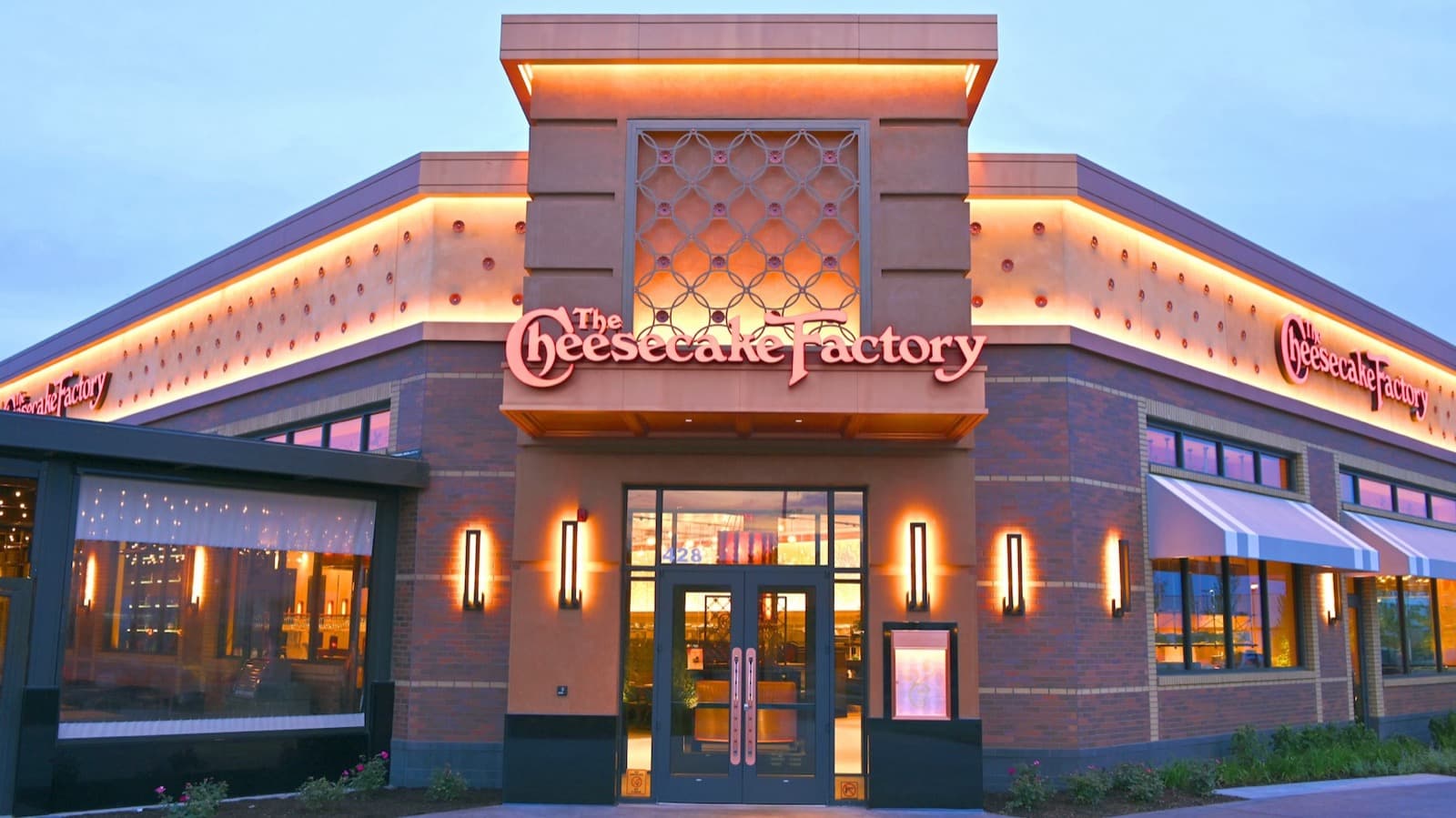 ChainB+
The Cheesecake Factory
A 21-page, 250-item menu should be a behavioral disaster. It's a roughly $4-billion chain. Here's what all that abundance is quietly doing.
Read the breakdown→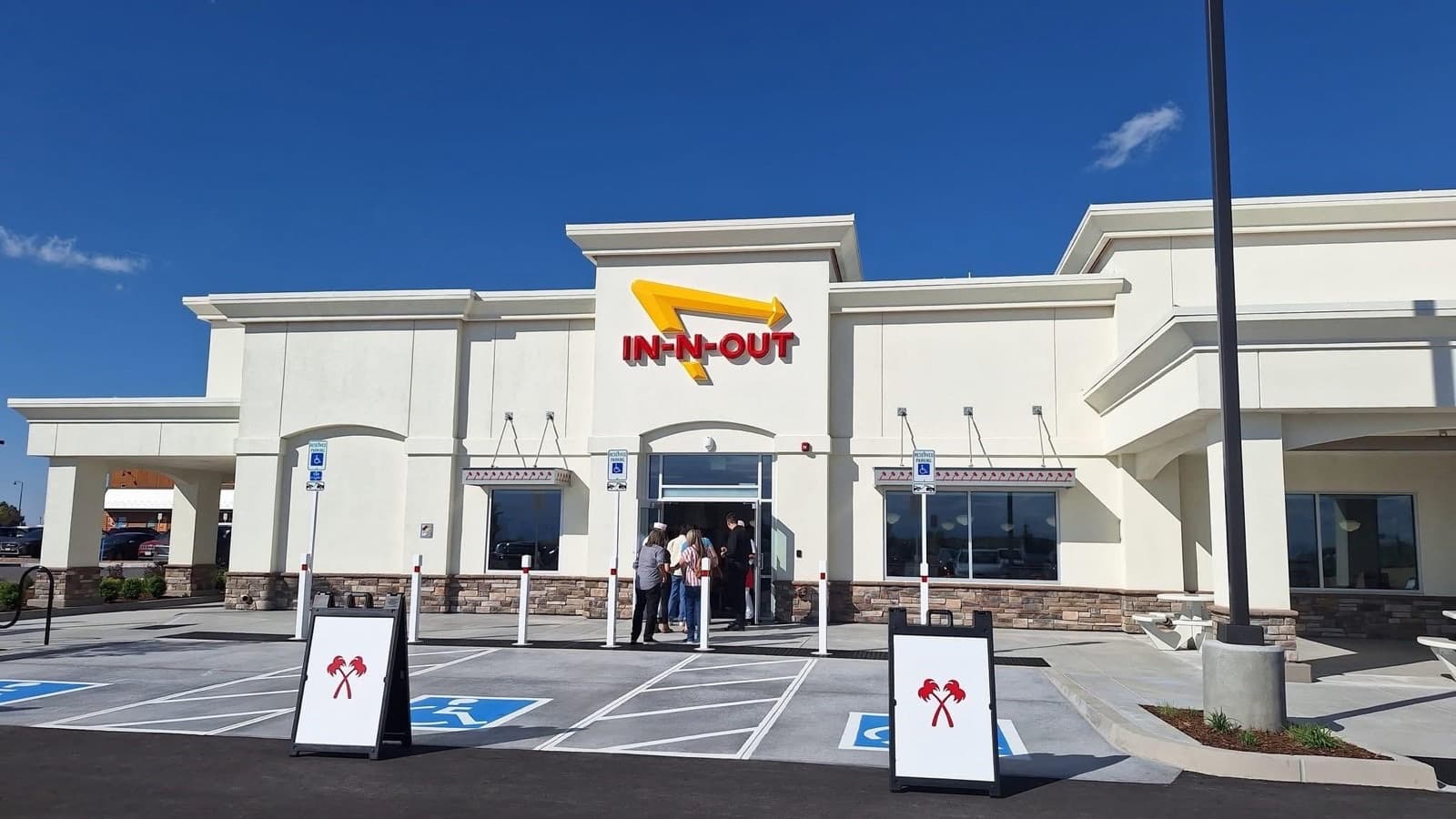 ChainA
In-N-Out Burger
Three burgers, no seasonal items, and a famous off-menu modifier ('Animal Style') that turns customers into evangelists. Restraint as strategy.
Read the breakdown→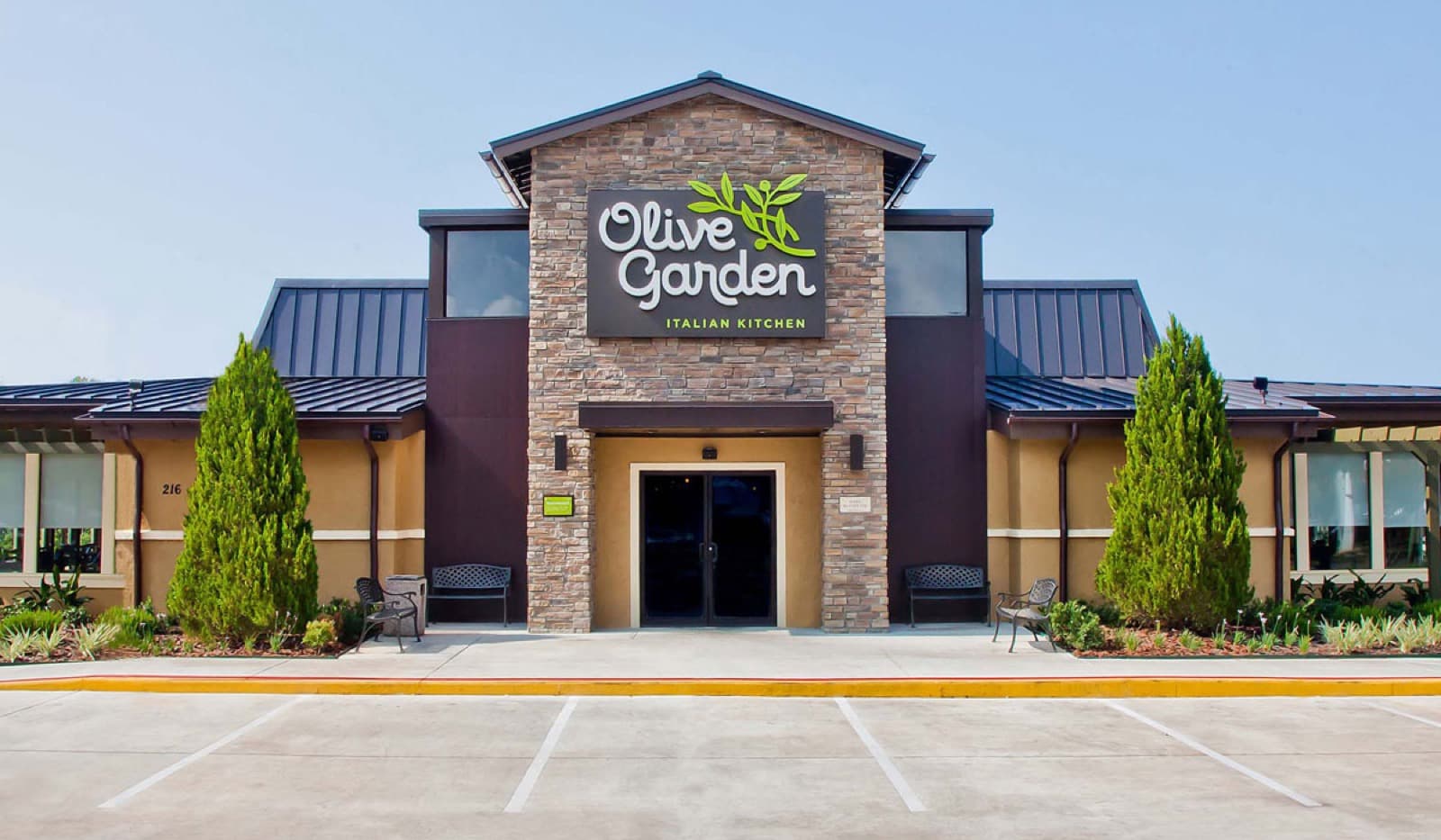 ChainB+
Olive Garden
Never-ending breadsticks read less like generosity than like decoupled pricing: a loss-leader and a recurring scarcity event working in concert.
Read the breakdown→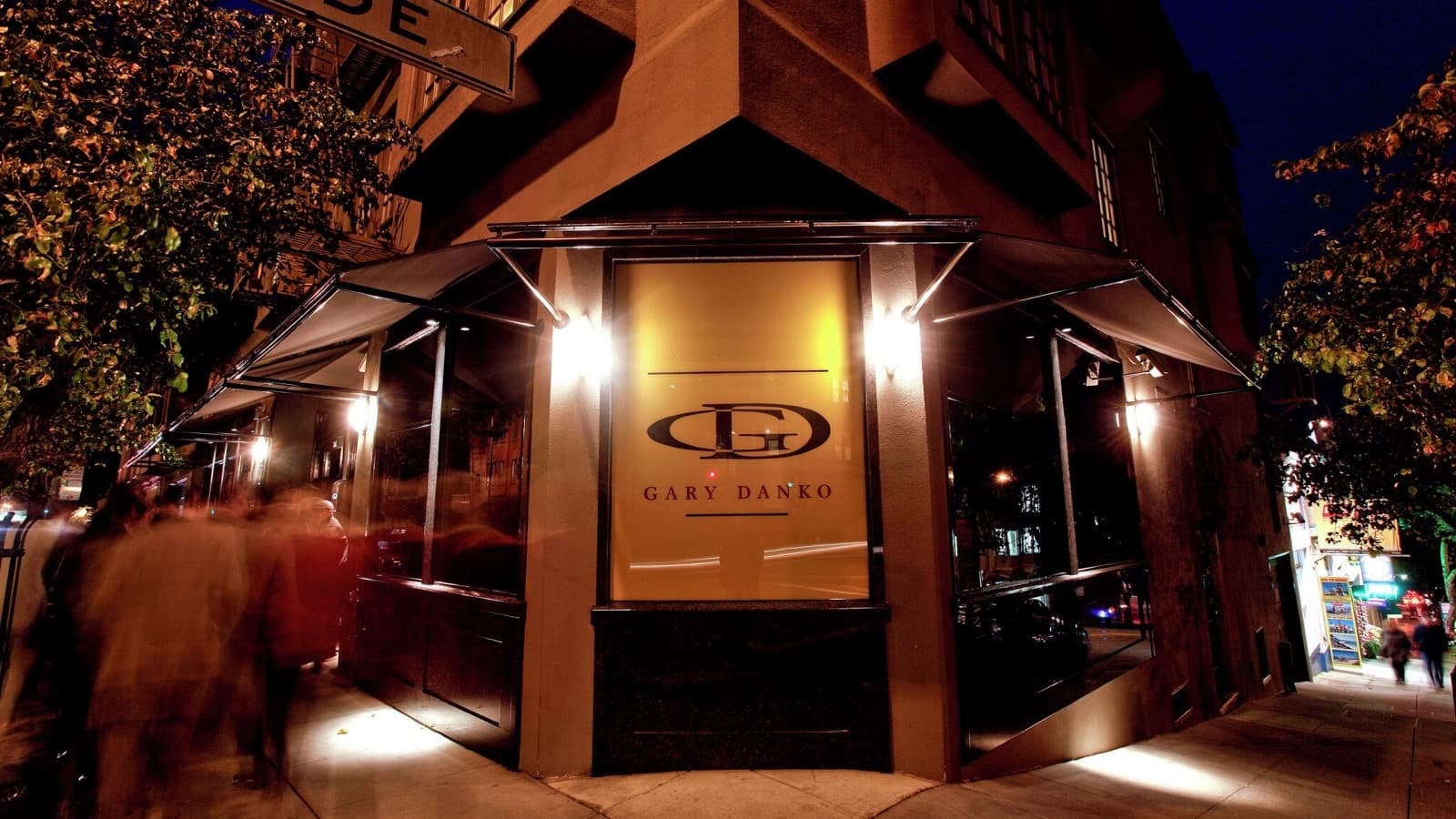 IndependentA
Restaurant Gary Danko
Tiered courses, round whole-dollar prices, a caviar anchor, build-your-own freedom and a tableside cheese cart. Danko is already doing what we'd recommend.
Read the breakdown→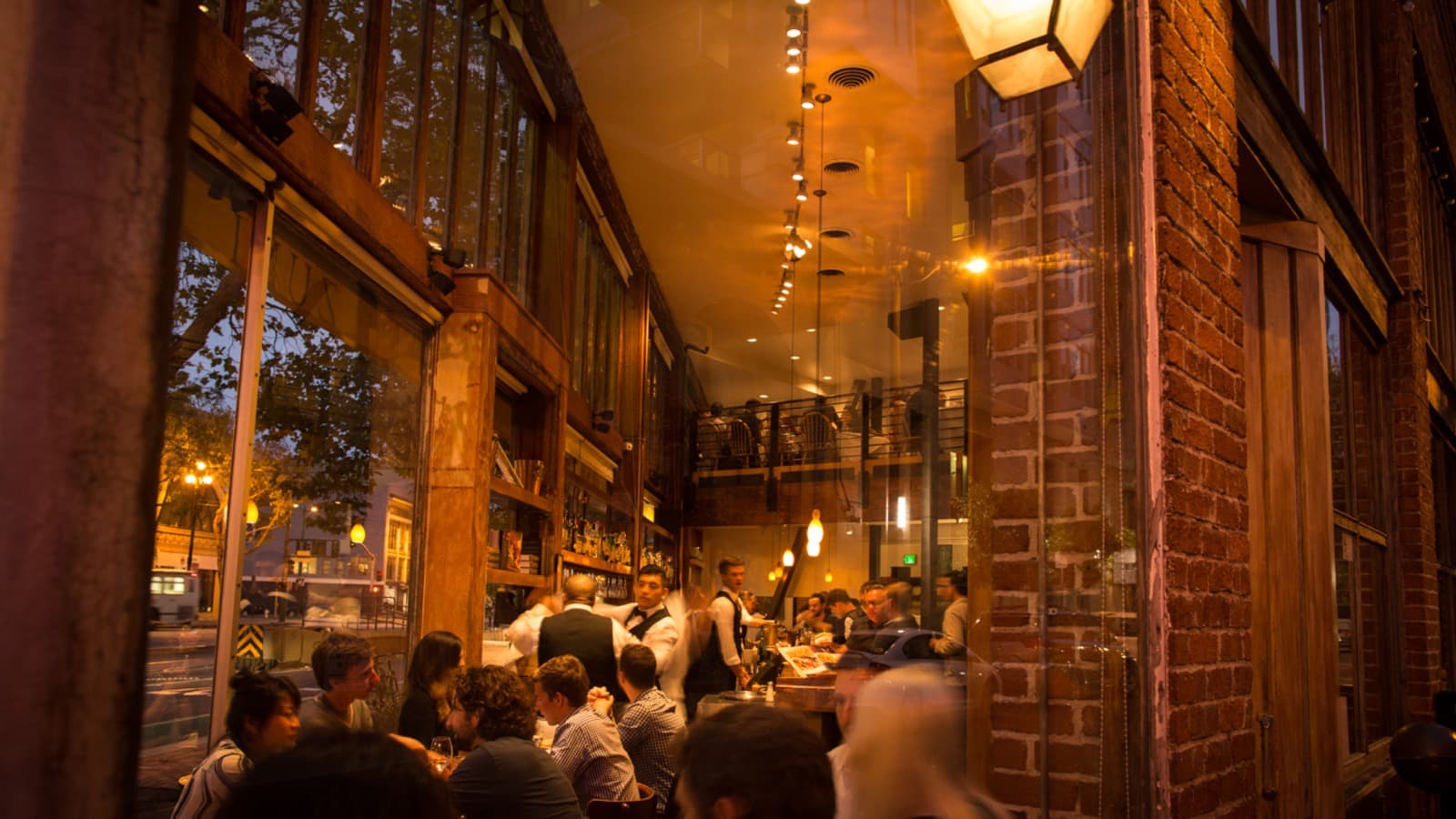 IndependentA-
Zuni Cafe
A 75.00 chicken that takes about 75 minutes, and the menu says so. A practical warning that also happens to reduce uncertainty, printed in the margin.
Read the breakdown→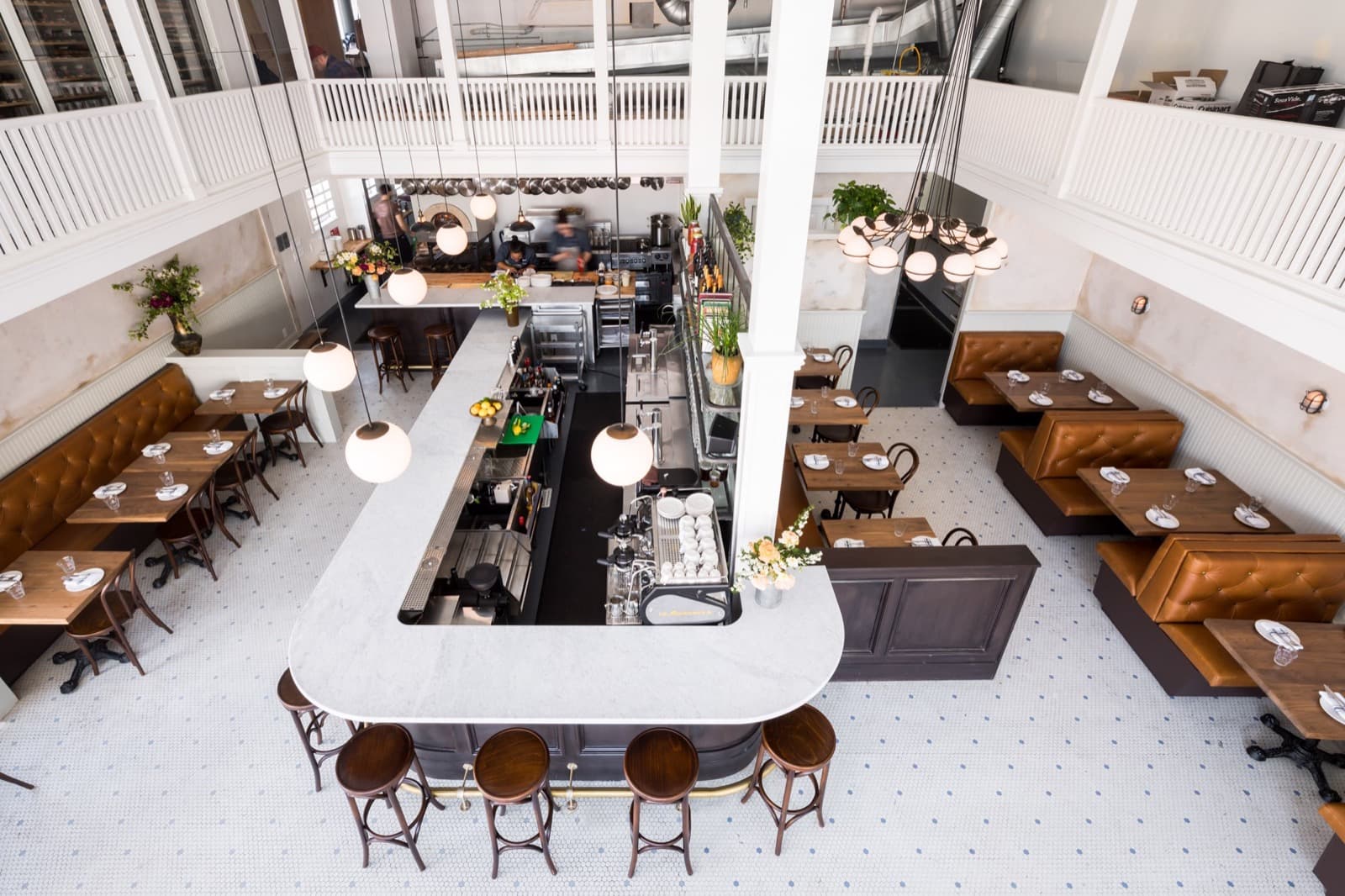 IndependentB+
Pearl 6101
A neighborhood Outer Richmond Cal-Mediterranean restaurant from the Pizzetta 211 team, whose menu prints prices as bare round numbers with no dollar signs and no cents.
Read the breakdown→Why a few words are worth six figures
Menu mix is one of the only levers that drops straight to the bottom line.
Restaurants run on 3-5% net margins, with about 95% of costs locked in food, labor and rent. You can’t cut your way out, but a few points of menu mix, or a slightly higher average check, flows almost entirely to profit.
On a $1.9M restaurant, an 8% lift on the average check is roughly $150,000 a year, and the most defensible levers cost nothing but ink.
Get your free breakdown
Send us your menu. We’ll send back the rewrite.
One free, no-strings menu breakdown: the wording, pricing and ordering changes we’d make, with the research behind each. See what a behavioral-economics audit looks like before you spend a dollar.